A Deep Dive into Cost: Key Factors Influencing Power Bank Wholesale Prices
As a B2B wholesaler, you know that not all power bank prices are created equal. A quote that seems too good to be true often is—hidden behind that low number may be compromises in safety, performance, or longevity that will cost you more in returns and damaged reputation down the line. Conversely, the highest price doesn’t automatically guarantee the best value. The key to smart, profitable sourcing lies in understanding the *why* behind the price. This guide breaks down the core components that determine power bank wholesale costs, empowering you to make informed decisions, negotiate confidently, and select a factory partner that offers genuine value.

## 1. The Heart of the Matter: Battery Cell Cost (40-60% of Total Cost)
This is the single most significant cost driver and the area where quality varies dramatically.
* Cell Type:
* Grade A (Premium): Sourced from major brands like LG, Samsung, Panasonic, or Murata. They offer guaranteed capacity, long life cycles (500+), stable performance, and rigorous safety testing. This is the choice for building a reliable brand.
* Grade B (Mid-Range): May have minor cosmetic flaws or be from reputable second-tier manufacturers. Performance is often good, but consistency can vary.
* Grade C/Recycled (Budget): Often reclaimed from old laptop batteries. Capacity is unreliable, lifespan is short, and safety risks are significantly higher. This is the source of most "inflated" capacity claims and potential hazards.
* Chemistry:
* Lithium-Polymer (Li-Po): Lightweight, moldable into slim shapes, generally safe but can be more expensive.
* Lithium-Ion (18650 or Prismatic): Slightly heavier but often offers a better cost-to-capacity ratio and is widely available.
B2B Takeaway: Always ask your supplier for the cell brand and origin. A factory transparent about using Grade A cells is a factory invested in quality. The cost difference here is non-negotiable for a serious business.
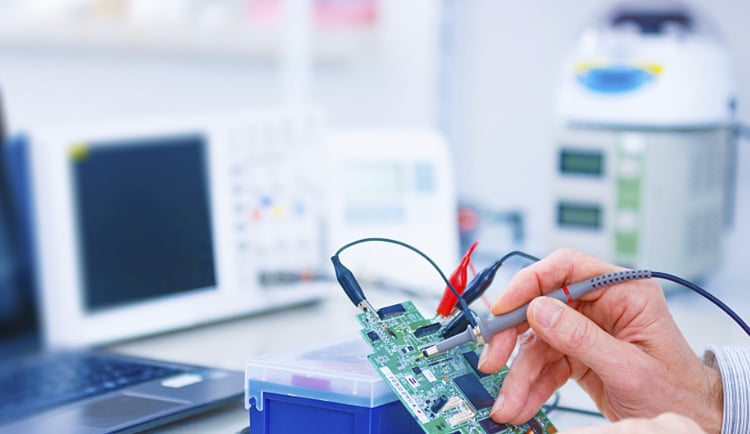
## 2. The Brain: PCBA & Chipset (15-25% of Total Cost)
The Printed Circuit Board Assembly (PCBA) is the "brain" managing charging, discharging, and protection.
* Protection Circuits: Quality boards have multi-layered protection (over-charge, over-discharge, short-circuit, over-current, temperature control). Cutting corners here is a direct safety compromise.
* Fast Charging Protocols: Support for advanced protocols like USB Power Delivery (PD), Qualcomm Quick Charge (QC), and PPS requires more sophisticated (and costly) chipsets from companies like Infineon or TI.
* Efficiency: High-quality components minimize energy loss during power conversion (e.g., from 5V to 9V). Higher efficiency means more of the battery's energy actually reaches the customer's device.
## 3. The Shell: Housing & Materials (10-15% of Total Cost)
* Material: ABS+PC plastic is standard. Aluminum alloy casings are premium, offering better heat dissipation and a premium feel but at a higher cost.
* Craftsmanship: A seamless finish, precise button feel, and tight port fittings require better molds and higher assembly precision. Cheap casings feel flimsy and are prone to breaking.
* Customization: A standard, off-the-shelf mold is cheap. A custom private mold (OEM/ODM), designed exclusively for your brand, involves high upfront engineering and tooling costs (NRE), but grants product uniqueness and better long-term margins.
## 4. Certifications & Compliance: Your Insurance Policy (5-10% of Cost)
These are not optional expenses for legitimate markets.
* **Safety Certifications (Mandatory):** UL, CE, PSE, KC, RoHS. These require rigorous testing by accredited labs. A factory with these certifications has invested in safe design and controlled production, which you pay a premium for.
* **Transportation Certifications (Critical for Shipping):** UN38.3, MSDS. Essential for safe, legal air and sea freight. Lack of proper certification can lead to seized shipments and massive fines.
B2B Takeaway: Request and verify test reports. A lower quote that lacks these certifications transfers massive legal and logistical risk directly to you.
## 5. Scale, Logistics, and Value-Added Services
* Order Volume (MOQ): Higher volumes always reduce the unit cost, as they amortize fixed costs (like mold setup) across more units.
* Packaging: Simple polybags are cheap. Retail-ready, professionally designed boxes with inserts add cost but immense value for your end-customer experience.
* **Logistics:** FOB (Free On Board) prices mean you handle and pay for shipping/insurance from the factory port. EXW (Ex Works) is even lower, as you handle everything from the factory gate. DDP (Delivered Duty Paid) prices are highest but inclu